Personal Injury · Dog Bite · Los Angeles, CA

Dog Bite Reconstruction & Scar Revision in Los Angeles.

Advanced Plastic & Reconstructive Surgery for Dog Bite Injuries

Dog bites can cause more than a surface wound. Depending on the severity and location of the injury, patients may experience tissue damage, visible scarring, facial distortion, hand or finger trauma, nerve involvement, tendon injury, or long-term functional concerns. West Empire Surgery provides reconstructive evaluation and treatment planning for qualified dog bite injury cases, including personal injury referrals.

Personal injury lien-based care may be available for qualified cases.

Scroll

Why dog bite injuries require careful evaluation.

Dog bite injuries are frequently more complex than they initially appear. The force of a bite can affect multiple layers of tissue — skin, subcutaneous fat, fascia, muscle, tendon, and nerve — and injuries to the face, hands, or fingers carry particular functional and cosmetic significance.

Beyond the immediate wound, patients may face infection risk, delayed healing, visible and uncomfortable scarring, scar contracture that limits movement, contour irregularity, and lasting emotional impact. Injuries involving the face often affect self-confidence and social function in ways that standard wound care does not fully address.

A reconstructive surgical evaluation allows for a thorough assessment of the injury — including its depth, the structures involved, the current state of healing, and the functional and cosmetic concerns the patient is experiencing. From that evaluation, a clear, individualized treatment plan can be developed.

Soft Tissue Trauma Facial Injuries Hand & Finger Nerve Involvement Scar Contracture Cosmetic Impact

Signs you may benefit from a reconstructive evaluation.

ⓘ  Emergency wounds, active infection, or urgent medical concerns should be evaluated immediately by emergency care or the appropriate medical provider. This page is informational in nature and does not constitute medical advice.

Injuries We Evaluate

Dog bite injuries we evaluate & treat.

Our reconstructive practice evaluates a full range of soft tissue, functional, and cosmetic concerns resulting from dog bite and animal attack trauma. Each evaluation is individualized to the patient’s anatomy, injury history, and treatment goals.

Facial Dog Bite Injuries

Lacerations, soft tissue loss, tissue distortion, scarring, and asymmetry of the face, lips, nose, eyelids, cheek, ear, and surrounding structures. Facial injuries are among the most functionally and cosmetically significant dog bite presentations.

Hand & Finger Injuries

Dog bites to the hand and fingers can involve deep puncture wounds, soft tissue damage, tendon injury, nerve laceration, and bone involvement. Functional restoration is the primary goal when these structures are affected.

Soft Tissue Loss

Injuries resulting in skin avulsion, degloving, or tissue loss that cannot be addressed through simple closure — requiring grafting, flap techniques, or staged reconstruction to restore surface coverage and contour.

Complex Wounds

Jagged, irregular, or deep bite wounds affecting multiple tissue layers — particularly those that have healed incompletely or with poor cosmetic or functional results following initial emergency care.

Scarring & Discoloration

Visible scars that are raised, red, discolored, wide, textured, or cosmetically noticeable. Scar discoloration, hypertrophy, and surface irregularity are common long-term concerns following dog bite injury.

Nerve & Tendon Concerns

Numbness, tingling, weakness, stiffness, or reduced range of motion following a dog bite may indicate nerve or tendon involvement. These findings warrant a thorough clinical evaluation to determine the appropriate course of care.

Contour Irregularities

Areas of tissue depression, asymmetry, or surface irregularity that resulted from the bite — particularly when visible on the face, hands, or other anatomically prominent regions.

Post-Traumatic Scar Contracture

Scars that have tightened over time, restricting movement of adjacent joints or creating functional limitation — particularly common following bites involving the hands, fingers, neck, or perioral region.

Treatment Options

Reconstructive treatment options for dog bite injuries.

Treatment depends on the nature and location of the injury, the degree of tissue involvement, scar maturity, functional concerns, and the patient’s individual anatomy and goals. Not every dog bite requires surgery — and when surgery is appropriate, it is planned carefully to optimize both functional and cosmetic outcomes.

01

Complex Wound Closure

When initial wound closure was suboptimal or when a wound has healed with poor results, formal reconstructive closure can improve both the appearance and the functional integrity of the repaired area.

02

Soft Tissue Reconstruction

Restoration of tissue volume, contour, and surface coverage in areas where soft tissue was lost or damaged — using local tissue rearrangement, regional flap techniques, or grafting as appropriate.

03

Scar Revision

Surgical scar revision techniques including excision, Z-plasty, W-plasty, and geometric broken line closure — used to reorient, refine, or improve the appearance of dog bite scars depending on their location and characteristics.

04

Facial Reconstruction

Reconstruction of facial soft tissue and structures affected by dog bite trauma — including lip, nasal, eyelid, cheek, and ear reconstruction — with attention to both functional integrity and natural aesthetic appearance.

05

Hand & Finger Reconstruction

Surgical management of bite injuries involving the hand and fingers — including soft tissue repair, tendon or nerve intervention when medically indicated, and coverage procedures for significant tissue loss.

06

Skin Grafting & Flap Reconstruction

For injuries involving significant skin or soft tissue loss, skin grafts or local flap reconstruction may be used to restore surface coverage, improve contour, and achieve the best possible functional and cosmetic result.

07

Contracture Release

Surgical release of scar contractures that restrict joint movement or limit function — followed by appropriate grafting or flap coverage to maintain the correction and prevent recurrence.

08

Laser Scar Resurfacing

CO₂ fractional laser and V-Beam pulsed dye laser treatments to improve scar texture, surface quality, and redness — often used following surgical scar revision or as standalone scar modulation in appropriate cases.

09

Microneedling & PRP Therapy

Microneedling with or without platelet-rich plasma (PRP) for collagen remodeling, improvement of scar texture, and support of tissue healing — used as part of a staged scar management approach when appropriate.

Scar Revision & Laser Treatment

Dog bite scar revision & laser scar treatment.

Even after a wound has closed and healed, dog bite injuries can leave scars that are visible, uncomfortable, or functionally limiting. Some scars become raised, red, thick, tight, itchy, or cosmetically noticeable over time. Others may restrict movement or create asymmetry in sensitive areas such as the face or hand.

Reconstructive scar care takes a staged approach — because scars continue to mature and evolve over 12 to 18 months following an injury, treatment timing is planned carefully to achieve the most effective result. Depending on the scar’s characteristics, location, and the patient’s goals, care may involve surgical revision, laser-based modalities, regenerative treatments, or a combination of approaches.

Scar revision can meaningfully improve the appearance, texture, color, flexibility, and comfort of dog bite scars — though the degree of improvement varies by case and cannot be guaranteed in advance. A consultation provides the clearest picture of what is achievable.

CO₂ Laser Resurfacing

Fractional Ablative

Fractional CO₂ laser remodels scar tissue at a structural level — improving texture, surface irregularity, and overall scar quality. Effective for scars with significant textural or depth concerns.

V-Beam Pulsed Dye Laser

Vascular Targeting

V-Beam targets vascular components of hypertrophic or erythematous scars — reducing redness, improving scar pliability, and normalizing skin tone in pink or red post-traumatic scars.

Microneedling

Collagen Induction

Controlled microneedling induces collagen remodeling, improving scar texture, depth, and overall skin architecture. Effective for a range of scar types including atrophic and rolling presentations.

PRP Therapy

Regenerative Adjunct

Platelet-rich plasma supports tissue healing, collagen synthesis, and scar maturation — often used in combination with laser or microneedling as part of a comprehensive scar management protocol.

ⓘ  Scar revision and laser treatments can improve the appearance and comfort of dog bite scars, but results vary by individual case. No outcome can be guaranteed in advance. A medical consultation is the appropriate first step to assess what is achievable and what approach is most appropriate for your specific scar and circumstances.

For personal injury attorneys & referral coordinators.

West Empire Surgery supports qualified dog bite injury cases with reconstructive evaluation, treatment planning, surgical care when appropriate, and medical documentation. Our team understands the importance of timely communication, clear records, and treatment plans that document both the functional and cosmetic impact of traumatic injuries.

Refer a Dog Bite Injury Case

ⓘ  West Empire Surgery does not provide legal advice. Our role is medical evaluation, treatment, surgical planning, and clinical documentation. Lien-based care availability depends on the circumstances of each individual case.

Dog Bite Reconstruction· Scar Revision· Facial Reconstruction· Soft Tissue Repair· Laser Scar Treatment· PI Lien-Based Care· Hand & Finger Reconstruction· Los Angeles County· Dog Bite Reconstruction· Scar Revision· Facial Reconstruction· Soft Tissue Repair· Laser Scar Treatment· PI Lien-Based Care· Hand & Finger Reconstruction· Los Angeles County·
What to Expect

Your reconstructive care journey.

We understand that seeking reconstructive care following a dog bite injury can feel uncertain. Below is a straightforward overview of what a patient can expect from their first contact with our office through treatment and follow-up.

1

Consultation & Injury Review

Your consultation begins with a thorough review of your injury history — when it occurred, how it was initially treated, how the wound has healed, and what functional or cosmetic concerns you are experiencing. We also review any available medical records, photographs, or prior treatment documentation.

2

Physical Examination

Dr. Rizvi conducts a detailed physical examination of the injured area — assessing the wound or scar characteristics, tissue integrity, range of motion, sensory and motor function, and any structural concerns that may require surgical attention.

3

Scar, Soft Tissue & Functional Assessment

When relevant, a formal assessment of scar maturity, pliability, vascularity, and surface quality is performed. Functional limitations — such as restricted movement, weakness, or sensory changes — are documented when clinically present and relevant to treatment planning.

4

Individualized Treatment Plan

Based on the evaluation, a treatment plan is developed and clearly communicated — outlining the recommended approach, timing, expected process, and realistic goals. All options are explained, and the decision to proceed with any treatment is made collaboratively.

5

Surgery or Non-Surgical Treatment When Appropriate

Treatment proceeds according to the plan — whether surgical or non-surgical. Not all cases require surgery. When laser treatment, microneedling, PRP, or staged observation is the appropriate path, that is recommended. When surgery is indicated, it is planned carefully and performed with attention to both functional and cosmetic outcomes.

6

Follow-Up & Documentation

Post-treatment follow-up monitors healing, scar progression, and functional recovery. For personal injury cases, clinical notes, treatment plans, operative reports, and scar documentation are prepared as part of the medical record and made available to the care and legal team as appropriate.

A reconstructive practice built for complex injury cases.

West Empire Surgery approaches dog bite reconstruction from a plastic and reconstructive surgery perspective — one that considers function, appearance, anatomy, and long-term outcomes together, rather than treating the wound in isolation.

Dr. Mort Rizvi, MD, FACS is a board-certified plastic, hand, and craniofacial surgeon with fellowship training at LA County+USC Medical Center (hand and microsurgery) and Children’s Hospital Los Angeles (craniofacial surgery). This depth of training is directly relevant to dog bite reconstruction, which often involves facial structures, hand anatomy, or soft tissue considerations that demand specialized surgical knowledge.

Our practice is experienced in supporting personal injury referrals, providing clear documentation, and working with attorneys and case managers throughout the care process. Lien-based care may be available for qualified cases. We serve patients throughout Los Angeles County, the San Fernando Valley, and greater Southern California.

Relevant internal resources: Personal Injury Surgical Care  ·  Plastic & Reconstructive Surgery  ·  Craniofacial Surgery  ·  Hand & Wrist Surgery  ·  Referral Services

Lead Surgeon

Dr. Mort
Rizvi

Dr. Murtaza “Mort” Rizvi, MD, FACS is a board-certified plastic, hand, and craniofacial surgeon serving the Greater Los Angeles area. He is one of the few surgeons in Southern California with triple fellowship training — completing programs in hand and microsurgery at LA County+USC Medical Center, craniofacial surgery at Children’s Hospital Los Angeles, and plastic and reconstructive surgery at Houston Methodist Hospital.

His training directly equips him to address the full range of dog bite reconstructive needs — including facial soft tissue injuries, hand and finger trauma, nerve and tendon involvement, and long-term scar management. He also serves as a Qualified Medical Evaluator (QME) within California’s workers’ compensation system.
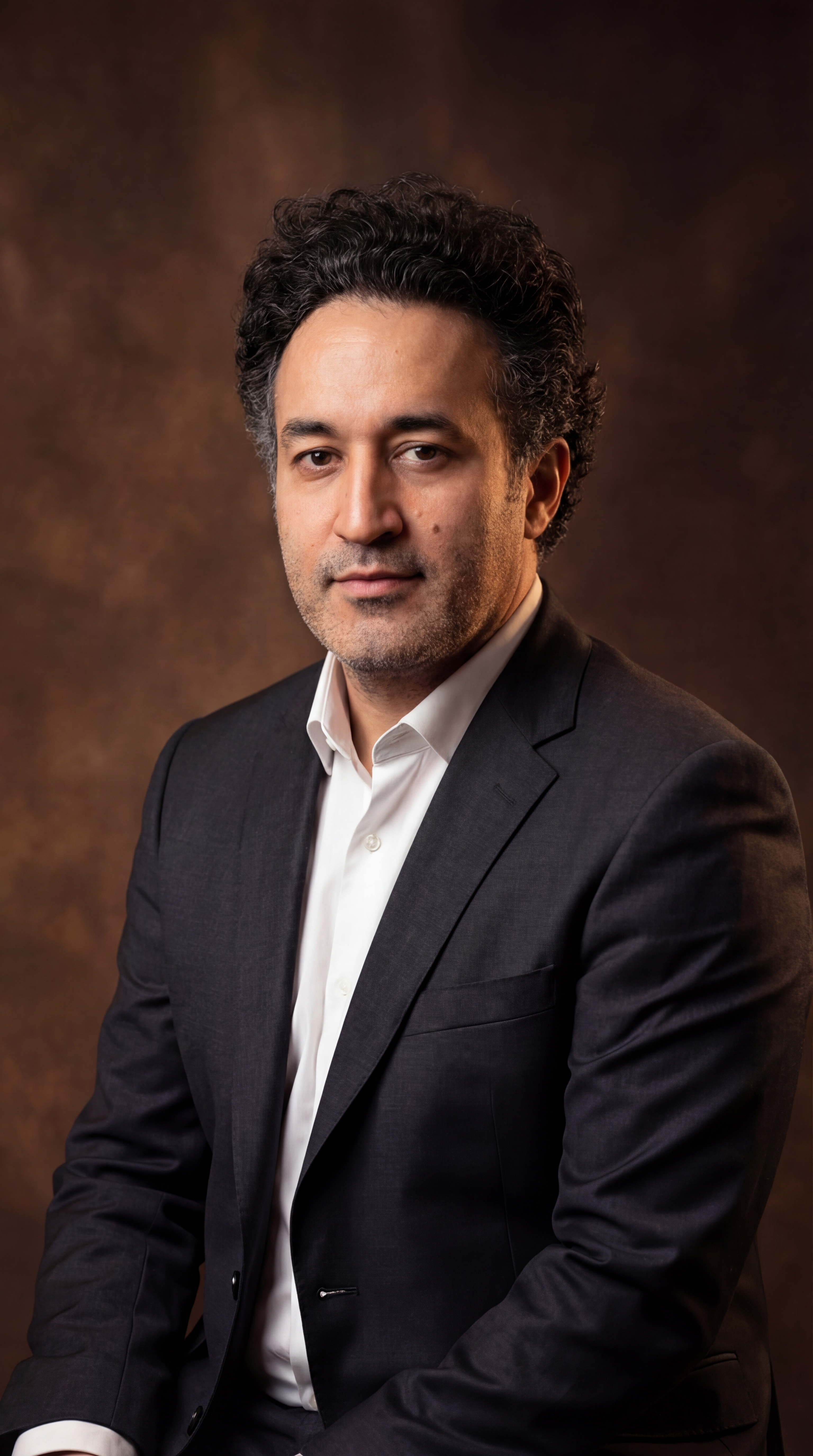
Dr. Mort Rizvi MD FACS — Dog Bite Reconstruction Surgeon, Los Angeles
Frequently Asked Questions

Common questions about
dog bite reconstruction.

We have compiled answers to the questions patients and attorneys most frequently ask about dog bite reconstruction, scar revision, and personal injury surgical care in Los Angeles. If your question isn’t addressed here, contact our office directly.

Do I need a plastic surgeon after a dog bite?

Not every dog bite requires surgery. However, injuries involving the face, hands, or fingers — wounds that caused tissue loss, required emergency repair, or have healed with visible scarring, distortion, or functional concerns — may benefit from a reconstructive evaluation. A consultation is the appropriate first step to determine what, if any, treatment is medically indicated.

Can dog bite scars be improved?

Many dog bite scars can be improved through scar revision surgery, laser treatments, or other modalities depending on the scar’s characteristics and location. Results vary by case. A medical evaluation is needed to determine which approaches may be appropriate and what degree of improvement is realistic.

When should I seek scar revision after a dog bite?

Scars typically mature over 12 to 18 months following an injury. Many scar revision procedures are more effective once the scar has had time to stabilize. However, an early consultation allows the surgeon to document the injury, monitor scar progression, and plan the most appropriate timing for treatment — which is especially important for personal injury cases.

Do you treat facial dog bite injuries?

Yes. Facial dog bite injuries are among the most sensitive and surgically complex cases we evaluate. Dr. Rizvi is a board-certified craniofacial surgeon with fellowship training at Children’s Hospital Los Angeles — making him particularly well-qualified to address facial soft tissue injuries, scarring, and anatomical distortion following dog bite trauma.

Do you treat hand or finger injuries from dog bites?

Yes. Dog bites to the hand and fingers can involve tendons, nerves, bone, and soft tissue structures. Dr. Rizvi holds fellowship training in hand surgery and microsurgery at LA County+USC Medical Center — and evaluates and treats hand injuries from dog bites when surgery is medically indicated.

Can laser treatment help dog bite scars?

Laser-based treatments including CO₂ laser resurfacing and V-Beam pulsed dye laser can improve the texture, color, and surface quality of scars following dog bite injuries, depending on the scar type and skin characteristics. These treatments are often used in combination with other scar management approaches.

Do you accept personal injury dog bite cases on lien?

Lien-based care may be available for qualified personal injury dog bite cases. Whether a lien arrangement is appropriate depends on the circumstances of the case. We encourage attorneys and patients to contact our office to discuss their specific situation.

Can attorneys refer dog bite injury patients directly?

Yes. Personal injury attorneys and referral coordinators are welcome to contact our office directly to discuss a case and coordinate a patient evaluation. We work with referring legal teams to ensure timely appointments and clear communication throughout the process.

What documentation is provided for personal injury cases?

West Empire Surgery provides medical documentation including consultation notes, injury assessments, treatment plans, operative reports when surgery is performed, scar progression documentation, and functional assessments when clinically relevant. We do not provide legal opinions or legal documentation.

Is every dog bite injury surgical?

No. Not every dog bite injury requires surgery. Treatment depends on the nature of the injury, the degree of tissue involvement, the location, and the patient’s individual anatomy and concerns. A thorough evaluation is the first step in determining the most appropriate course of care — which may include non-surgical options such as laser treatment, scar management, or monitored observation.

Speak With Our Team

Dog bite injury case?
Let’s talk.

Whether you are a patient dealing with scarring after a dog bite or an attorney seeking reconstructive evaluation for a client, West Empire Surgery can review qualified cases and help determine the appropriate next step.

Request a Consultation Refer a Patient