Workers’ Compensation · Los Angeles County, CA
Restoring function, appearance, and quality of life following serious work injuries — from tendon and nerve repair to burn reconstruction, scar revision, and complex soft tissue surgery. West Empire Surgery serves injured workers, case managers, and referring attorneys throughout Los Angeles County and Southern California.
ScrollEmergency treatment stabilizes. Reconstructive surgery restores. Many workers who receive initial care for a serious injury are left with lasting consequences — diminished hand function, visible scarring, restricted movement, nerve damage, or wounds that fail to heal properly. These are not inevitable outcomes. They are conditions that reconstructive surgery is specifically designed to address.
At West Empire Plastic & Reconstructive Surgery, Dr. Mort Rizvi, MD, FACS specializes in the surgical management of complex workplace injuries throughout Los Angeles County. His focus is on restoring both function and appearance — helping injured workers regain mobility, return to work, and reclaim quality of life after trauma.
Whether the injury involves tendon damage, nerve laceration, significant soft tissue loss, a burn, a complex wound, or a traumatic facial injury, reconstructive surgical care is often the critical bridge between emergency treatment and full functional recovery. Early specialist involvement can also prevent complications such as scar contracture, joint stiffness, and permanent functional loss.
Serious workplace injuries span a broad spectrum of trauma. Our practice is equipped to manage the full range of reconstructive needs that follow industrial accidents, construction injuries, repetitive-use conditions, chemical exposures, and occupational trauma of all kinds.
Lacerations, avulsions, degloving, and soft tissue injuries of the hand and fingers requiring reconstructive repair and functional restoration.
High-energy crush trauma affecting bones, tendons, nerves, and vasculature — often requiring staged reconstruction and rehabilitation planning.
Work-related facial injuries including fractures, lacerations, dog bites sustained on the job, eyelid injuries, and post-traumatic scar revision.
Thermal, chemical, and electrical burn injuries requiring wound management, skin grafting, contracture release, and long-term reconstruction.
Significant soft tissue injuries from canine attacks in occupational settings — particularly relevant for postal workers, delivery drivers, and field workers.
Lacerated, compressed, or stretched peripheral nerves resulting in sensory or motor deficits — managed through repair, grafting, or decompression.
Flexor and extensor tendon lacerations, ruptures, and avulsions — requiring primary repair or staged reconstruction to restore hand function.
Deep or irregular lacerations involving multiple tissue layers, requiring careful anatomic repair to minimize scarring and preserve function.
Significant loss of skin coverage from degloving, abrasion, or excision — addressed through grafts, flaps, or staged wound closure techniques.
Underlying defects in fat, fascia, or muscle following traumatic injury, requiring reconstruction to restore tissue volume and surface coverage.
Tight, restricting scars that limit joint movement and daily function — treated through release, grafting, or flap reconstruction.
Chronic wounds and ulcers that have failed to heal appropriately following initial treatment — evaluated and managed with advanced wound care protocols.
The right procedure depends on the nature and severity of the injury, the structures involved, and the functional goals of recovery. Each treatment plan at West Empire Surgery is individualized, evidence-based, and coordinated with the broader workers’ compensation care team.
Surgical and non-surgical scar revision to improve the appearance, texture, and flexibility of scars resulting from work injuries. Options include excision, Z-plasty, W-plasty, laser resurfacing, and combination approaches.
Split-thickness and full-thickness skin grafts used to restore surface coverage following burns, degloving injuries, or wounds with significant skin loss that cannot be closed primarily.
Tissue rearrangement techniques using adjacent skin and soft tissue to close complex wounds, fill defects, and restore contour in areas where direct closure or grafting alone is insufficient.
Advanced closure techniques for contaminated, irregular, or high-tension wounds requiring layered repair, tension management, and careful tissue handling to optimize healing and minimize scarring.
Primary and staged repair of flexor and extensor tendon injuries of the hand, wrist, and forearm — with appropriate post-operative therapy protocols to restore strength and range of motion.
Microsurgical nerve repair, nerve grafting, and nerve decompression for peripheral nerve injuries sustained at work — aimed at restoring sensation and motor function to the affected extremity.
Comprehensive burn reconstruction including debridement, skin grafting, contracture release, and staged scar management for workers who sustained thermal, chemical, or electrical burns on the job.
Reconstruction of facial structures damaged by work-related trauma, including dog bite repair, laceration reconstruction, soft tissue restoration, and post-traumatic scar revision.
Surgical release of scar contractures restricting joint mobility or causing functional impairment — followed by skin grafting or flap coverage as needed to maintain the correction.
Restoration of volume, contour, and structural integrity in areas of significant soft tissue loss — using local, regional, or free flap techniques depending on the extent of the defect.
Surgery specifically aimed at restoring mechanical function — including joint mobility, grip strength, sensory recovery, and return-to-work capability — often in coordination with occupational therapy.
Complex work injury reconstruction demands a surgeon with deep specialty training, multidisciplinary experience, and a demonstrated ability to manage both the surgical and administrative demands of workers’ compensation cases. Dr. Rizvi brings all of these to every referral.
Dr. Rizvi is board-certified by the American Board of Plastic Surgery and holds added certification in Hand Surgery — two of the most relevant specialties for reconstructive work injury care.
Fellowship-trained in hand and microsurgery at LA County+USC Medical Center and in craniofacial surgery at Children’s Hospital Los Angeles — training programs that develop precision in the most complex surgical environments.
As a Qualified Medical Evaluator (QME) in California’s workers’ compensation system, Dr. Rizvi provides independent medical evaluations and is deeply familiar with the documentation and procedural requirements of WC cases.
Extensive clinical experience managing high-complexity reconstructive cases involving multiple tissue layers, multi-structure injuries, and patients with significant functional deficits following occupational trauma.
Practiced at working alongside occupational therapists, physical therapists, pain management specialists, and treating physicians to deliver coordinated, outcome-focused care.
Operative reports, progress notes, and treatment plans are prepared accurately and delivered in a timely manner to support case timelines, attorney coordination, and adjuster communication.
Our office team is experienced in workers’ compensation coordination, authorization processes, and direct communication with referring attorneys, case managers, and adjusters throughout the care cycle.
Every injured worker who comes to West Empire Surgery receives individualized attention, a clear treatment plan, and honest communication about surgical goals, recovery expectations, and return-to-work timelines.
Lead Surgeon
Dr. Murtaza “Mort” Rizvi, MD, FACS is a board-certified plastic and reconstructive surgeon with board certification in both Plastic Surgery and Hand Surgery. He is one of a small number of surgeons in Southern California with triple fellowship training — completing advanced programs in hand and microsurgery at LA County+USC Medical Center and craniofacial surgery at Children’s Hospital Los Angeles.
Dr. Rizvi is also a Qualified Medical Evaluator (QME) within California’s workers’ compensation system, and has extensive experience collaborating with attorneys, case managers, and adjusters in the management of complex occupational injury cases across Los Angeles County and Southern California.
The workers’ compensation process can feel complex, particularly when serious injury requires specialist surgical care. Below is a straightforward overview of how the process typically unfolds for patients who need reconstructive surgery — from injury through recovery and return to work.
The workplace injury is sustained. Immediate medical attention is received — in an emergency setting if necessary. A workers’ compensation claim is opened through the employer.
The injured worker is seen by a treating physician, occupational medicine provider, or emergency physician. Initial stabilization and acute care is provided. A referral to a reconstructive specialist may be made at this stage or shortly after.
The treating physician, attorney, or case manager initiates a referral to West Empire Surgery. Authorization is coordinated with the adjuster or MPN as required. Our office facilitates this process to minimize delays.
Dr. Rizvi evaluates the injury, reviews prior imaging and records, and provides a comprehensive clinical assessment. A detailed treatment plan is developed and communicated to the patient, referring provider, and case manager.
Recommended procedures are documented and submitted for workers’ compensation authorization. Our office coordinates directly with the adjuster and case manager to obtain timely approvals and schedule surgery without unnecessary delay.
Reconstructive surgery is performed at an appropriate facility — hospital or ambulatory surgery center — based on the complexity of the procedure. Dr. Rizvi holds operative privileges at Adventist Health Glendale, Huntington Memorial Hospital, and Providence St. Joseph Medical Center.
Post-surgical care is coordinated with appropriate therapy — occupational therapy for hand injuries, physical therapy for extremity or functional recovery cases — to maximize the surgical result and restore functional capacity.
Regular follow-up appointments track healing, functional recovery, and overall progress. Clinical notes and progress reports are prepared and made available to the treating team, case manager, and attorney as needed throughout recovery.
As recovery progresses, work capacity and return-to-duty timelines are assessed and documented. Dr. Rizvi provides functional assessments and communicates with the care team regarding appropriate modified duty, restrictions, and full return-to-work status.
West Empire Surgery understands that workers’ compensation and personal injury cases operate under specific procedural demands. Attorneys and case managers need a surgical partner who communicates clearly, documents thoroughly, and moves efficiently — without creating administrative burden.
Our practice is structured to meet those expectations. From initial referral coordination and authorization support to post-operative reporting and functional assessments, we keep referring attorneys and case managers informed at every step of the care cycle.
Dr. Rizvi’s role as a Qualified Medical Evaluator (QME) also means he is deeply familiar with the evidentiary and documentation standards required in California workers’ compensation proceedings — an advantage for attorneys managing complex or disputed claims.
To refer a patient or discuss a case, contact our office directly at (424) 293-8861 or info@wesurgery.org.
Below are answers to the questions we hear most often from injured workers, attorneys, case managers, and adjusters. If you have a specific question not addressed here, contact our office directly.
Yes. West Empire Surgery accepts workers’ compensation cases and works directly with claims adjusters, nurse case managers, and attorneys throughout Los Angeles County and Southern California.
In most workers’ compensation cases, a referral from your treating physician or authorization from your adjuster is required before seeing a specialist. Our office can help coordinate this process. Call us and we will guide you through the steps.
For confirmed workers’ compensation claims, the employer’s insurance carrier typically covers medically necessary surgical treatment. Our office works directly with the adjuster or case manager to obtain proper authorization before proceeding.
In California, injured workers may have the right to select or change their treating physician under certain circumstances. We recommend consulting with your workers’ compensation attorney regarding your specific rights. We are happy to accept referrals from treating physicians and attorneys.
Recovery timelines depend on the injury and procedure. Simple scar revision may require only a few weeks, while complex tendon repair, nerve reconstruction, or flap surgery may require months of rehabilitation. Dr. Rizvi provides a detailed recovery plan specific to each case.
Yes. Scar revision can significantly improve the appearance and function of scars from workplace injuries — even years after the original injury. Options include surgical revision, laser treatments, and combination approaches.
Yes. West Empire Surgery provides burn reconstruction and scar management for workers who sustained burn injuries on the job, including skin grafting, contracture release, laser resurfacing, and staged reconstruction.
Yes. Tendon repair is one of Dr. Rizvi’s core specialties. Both flexor and extensor tendon injuries are treated, including complex multi-structure injuries involving tendons, nerves, and vessels.
Yes. Skin grafting is performed for significant soft tissue loss from workplace injuries, including degloving injuries, burns, and wounds requiring coverage after debridement.
Yes. Our practice regularly collaborates with workers’ compensation attorneys, providing thorough documentation, operative reports, and clinical support throughout the case lifecycle.
We evaluate patients regardless of claim status. Dr. Rizvi is also a Qualified Medical Evaluator (QME) in California’s workers’ compensation system and can provide independent medical evaluations when appropriate.
Absolutely. Second opinions are an important part of informed medical decision-making for complex reconstructive procedures. We welcome patients seeking a specialist’s perspective on their treatment plan.
Reconstructive surgery can address functional and aesthetic consequences of workplace injuries long after the initial trauma. Scar revision, contracture release, nerve decompression, and soft tissue correction are often performed months or years after the original injury.
Yes. Restoring function is the primary goal of reconstructive surgery for workplace injuries. Procedures such as tendon repair, nerve reconstruction, contracture release, and scar revision are specifically designed to improve range of motion, strength, and daily function.
We prioritize timely evaluation of work injury cases. Contact our office directly and our team will work to schedule an appointment as quickly as possible — often within days for urgent reconstructive needs.
West Empire Surgery participates in many Medical Provider Networks (MPNs) in California. Contact our office to confirm participation with your specific carrier.
Dr. Rizvi treats a full range of facial trauma from workplace accidents, including facial fractures, lacerations, dog bite injuries, nasal trauma, eyelid injuries, and post-traumatic scar revision.
Yes. Crush injuries of the hand and upper extremity are among the most complex reconstructive challenges in work injury surgery. Dr. Rizvi’s fellowship training in hand and microsurgery makes him well-equipped to manage these injuries comprehensively.
When a scar causes functional limitation, pain, contracture, or other medically significant impairment related to a workplace injury, scar revision may be covered under workers’ compensation. Our office can assist in obtaining proper authorization.
West Empire Surgery provides operative reports, progress notes, treatment plans, and functional assessments to support the claims and legal process. We prioritize timely, accurate documentation to facilitate case management.
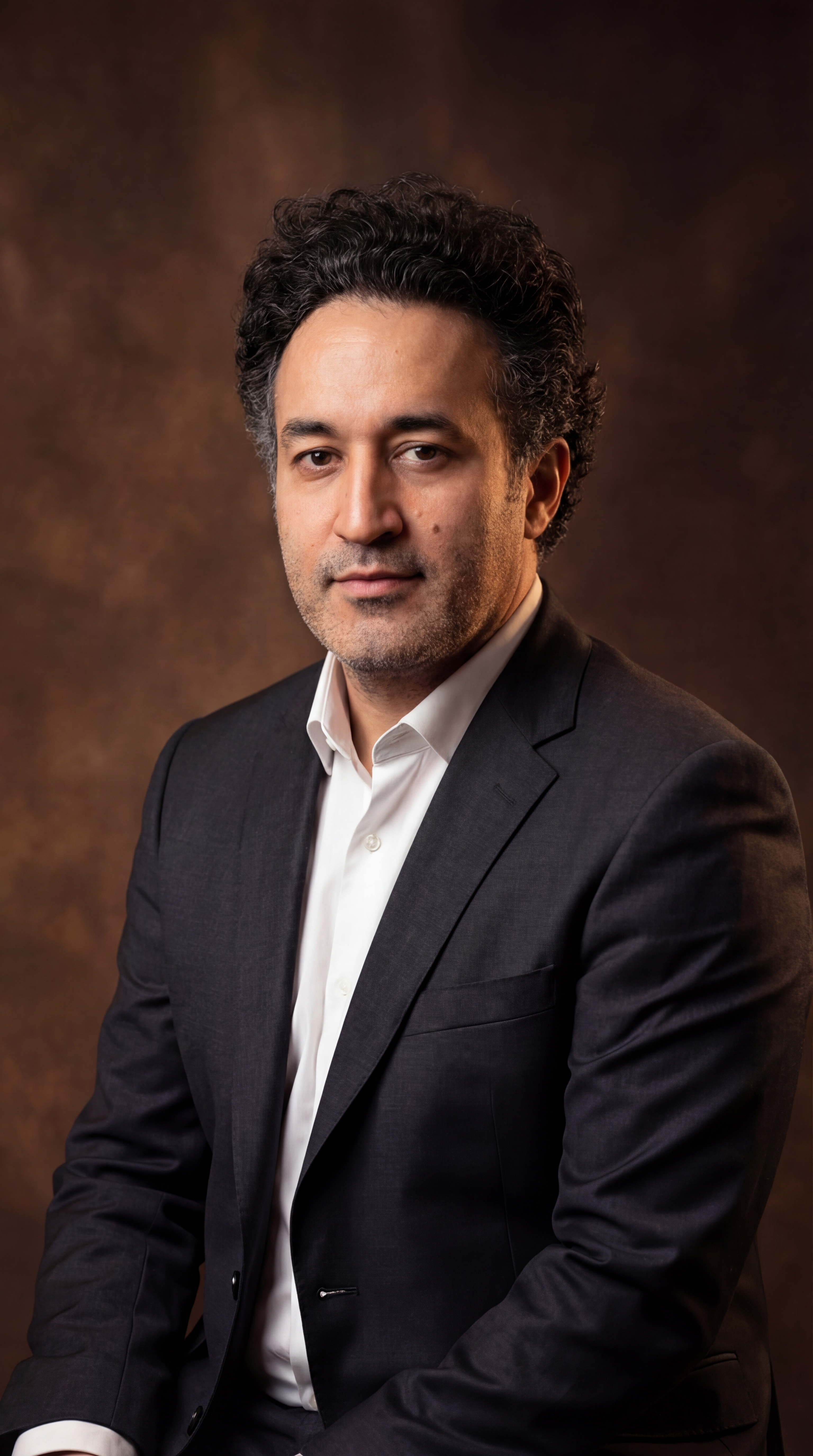
Not all reconstructive surgeons are equally equipped to manage the complexity that serious workplace injuries present. At West Empire Surgery, board certification, fellowship training, and deep experience with the workers’ compensation system combine to deliver a level of surgical and administrative competence that referring providers and injured workers can depend on.
We approach every case as a clinical challenge and a personal responsibility. Injured workers deserve a clear diagnosis, an honest treatment plan, and a surgeon who is both technically skilled and genuinely invested in their recovery. That is what we offer — consistent, individualized, outcome-focused reconstructive care in a setting designed to feel professional, not intimidating.
Located in Studio City on Ventura Boulevard, West Empire Surgery serves patients throughout the San Fernando Valley, Greater Los Angeles, and the broader Southern California region. We are conveniently accessible to injured workers and referral sources from Burbank, Glendale, North Hollywood, Sherman Oaks, and across Los Angeles County.
Internal links: Learn more about our Hand & Wrist Surgery, Plastic & Reconstructive Surgery, Craniofacial Surgery, and Referral Services.
Get in Touch